
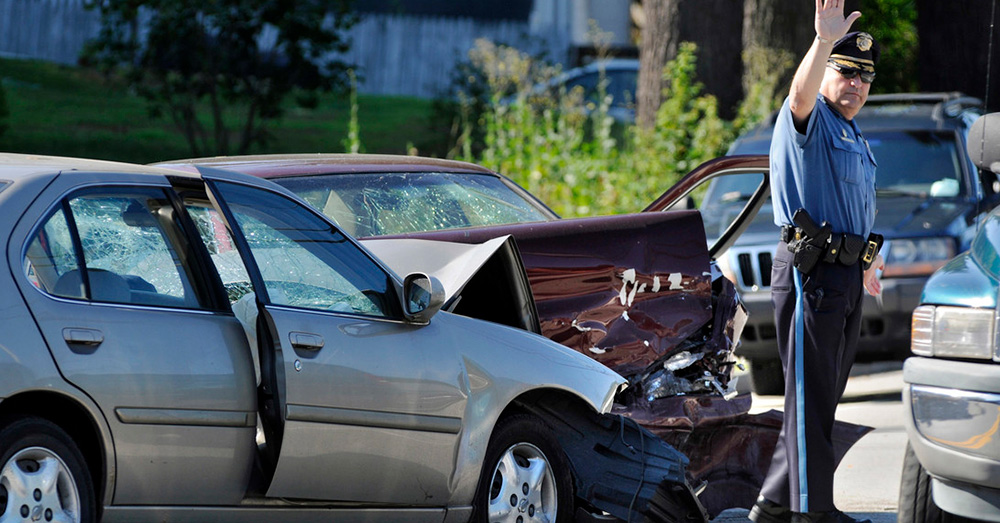
Many times Texas car owners involved in an auto accident will look to repair their vehicle but fail to recognize that their vehicle now has a diminished market value due to being involved in an accident, regardless of the quality of repairs performed on the vehicle. While the vehicle will be repaired, the vehicle’s market value will still be diminished because of having been in an accident. Diminished Value Claim Texas can assist in recouping the financial loss associated with the loss of the vehicle’s market value, but the process of filing a claim isn’t always as easy as it may seem.
Many claimants unknowingly make critical mistakes that lead to delayed settlements, reduced payouts, or outright claim denials. From trusting the insurance company’s valuation to missing important documentation, small errors can cost you thousands of dollars.
Common Mistakes to Avoid with Diminished Value Claims
We have listed 6 mistakes car owners make when filing diminished value claims.
Missing Statute of Limitations
In Texas, the statute of limitations is two years from the accident date. If you don’t file your diminished value claim within this deadline, your claim will likely get denied, even if your car clearly lost value. Many car owners delay filing, believing they can claim diminished value anytime after repairing the vehicle.
Accepting the 17C Formula
Insurance companies in Texas generally use the 17C formula to calculate diminished value. This formula generates a significantly lower value than what your vehicle actually lost in the market. What car owners don’t know is that the 17C formula is not required by Texas law and often undervalues legitimate claims.
Filing a Claim for a Leased Vehicle
Sometimes people even file a claim for their leased vehicle. In reality, the leasing company is the legal owner of the vehicle, and only they are allowed to file a claim. One should review their lease agreement and confirm if they have the right to file a diminished value claim.
Neglecting a Professional Appraisal
A professional diminished value appraisal determines the vehicle’s accurate current value after the accident and the value it has lost as a result of the accident. Without it, there are high chances that the insurance company will undervalue or reject your claim.
Overlooking Third-Party vs. First-Party Rules
In Texas, diminished value claims are generally allowed in third-party claims. So you file against the at-fault driver’s insurance. People often file a claim against their own insurance, which is restricted. It can lead to delays and denial.
Failing to Disclose Prior Accidents
Has your vehicle had previous accidents before the current one? If so, that history must be disclosed before you file a diminished value claim. This is because the insurance company may deny your claim if it finds out about undisclosed prior damage.
Is a diminished value claim something you are considering? We are a professional appraisal firm (ADR-Claims) and can help you with it, plus we will also help you during the entire claims process to ensure that you get a fair amount for what your vehicle is worth now. Call us to set up an appointment for an appraisal.