1. What are some tips to maintain a roof for a long time?
- Make sure there is good air circulation in the attic, as it reduces moisture buildup and increases your roof’s longevity.
- Carefully check your roof at least every year to spot potential issues earlier.
- Keep your roof free of leaves, branches, and other clutter to avoid moisture buildup and mold growth.
- Regularly clean the gutters so water doesn’t accumulate on the roof and damage it.
- Hanging branches can seriously damage your roof during storms, so trim them.
2. What questions should you ask your roofing contractor?
You should inquire from them about their experience in the industry. More experienced contractors are likely to properly address any unexpected challenges in the roof project. You should also request references from previous clients and talk to them. Their feedback can give you helpful information about the roof contractor’s reliability and quality of work.
3. What is the roof installation process (step-by-step)?
A roof installation process includes the steps mentioned below.
- The team of roofers takes out the old roofing, which is a noisy and messy process.
- Then they clean the waste material and check the base structure.
- Roofers remove any old material and apply new material to your roof.
- For roofing, permits are required, but the roofers will handle them and make sure the project adheres to local building regulations.
4. Why should I replace my roof?
There are several reasons to replace your roof. For instance, the new roof can last for years, especially if you use high-quality materials like metal or top-of-the-line asphalt shingles. Modern roofing materials improve your home’s energy efficiency. So you can enjoy reduced utility bills with a new roof. The new roof looks attractive and can boost your home’s curb appeal, increasing its market value.
5. What is the duration of a roof replacement project?
If you are thinking about a professional roof replacement, the project can take one to three days to be completed. This time frame is not for all roof replacement projects. Depending on the roofing materials used, the size of your home, and weather conditions in your area, the duration can be significantly different.
6. How to prepare a home for a roof replacement project?
You can easily prepare your home for your upcoming roof replacement. Just follow the steps that we are discussing in the following points.
- First, remove any outdoor furniture, vehicles, and other items scattered around your home so the roofing team has easy access to the roof.
- Then, cover up or move any valuable items in your attic to protect them from dust and debris.
- Inform your neighbors in advance about your roof replacement project, as there will be noise and activity around your home.
- Make sure your pets are in rooms or away from the work site to avoid any possible mishaps.
7. Is it possible to install a new roof over an old one?
In some cases, such as if your home has an asphalt shingle roof, you can have a new roof installed over an old one. However, if your home already has two roof layers, removing the old layers first is the best approach. Before installing a new roof, roofers can thoroughly inspect it, identify any issues, and fix those issues and the structure.
8. How frequently should you inspect a roof?
If you plan to make sure your roof stays healthy and lasts longer, you should regularly inspect it. We suggest thoroughly inspecting your roof at least once a year and after every major weather event, like storms, heavy rain, and hail. If you cannot properly inspect your roof, contact professionals for the job. It helps detect underlying issues early and avoid costly repairs later.
9. Are energy-efficient roofing materials beneficial?
Yes, for homeowners, energy-efficient roofing materials offer noticeable benefits. You can enjoy a notable decrease in energy bills, as these materials reflect more sunlight and absorb less heat. This keeps your home cooler in summer and reduces the load on your HVAC system. Other than that, energy-efficient roofing materials can raise your home’s resale value by improving indoor comfort.
10. When to opt for a roof repair or replacement?
Are you wondering whether to replace your roof or have it repaired? Replacing it can be an affordable solution if a significant portion of the roof is damaged. Otherwise, consider calling a professional contractor and having it repaired. When your roof’s lifespan is near its end, you should replace it. In case the roof is new and has no major damage, repairs can make do.
11. What is the lifespan of a roof?
A roof’s lifespan differs based on the materials used. Generally, traditional asphalt shingle roofs can last between 15 and 30 years. You can expect a longer lifespan, generally between 40 and 70 years, if you have a metal roof. High-quality roofing materials, such as slate or tile, can last 50 years or more when properly maintained. Environmental elements also affect your roof’s lifespan.
12. What are the most common roofing materials?
If you are planning a roofing project, there is a wide range of materials to choose from. Each material comes with its specific benefits and characteristics.
Metal Roofing: Metal roofing is continuously gaining popularity among homeowners because of the durability it offers. You can choose from aluminum, steel, and copper in metal roofing. if maintained properly, metal roofing can last for 50 years or more.
Asphalt Shingles: Asphalt shingles are the most commonly chosen roofing material in the United States of America. They are a pocket-friendly roofing material and come in several colors and styles, making them a suitable choice for a range of homes.
Tile Roofs: Many homeowners prefer to use tile systems, including clay and concrete, for their roofs due to their visual appeal, which adds a unique look to houses. They are long-lasting and can withstand severe weather conditions.
Wood Shakes: Those considering roofing choose wood shakes due to their natural appearance. However, wood shakes require more maintenance than any other roofing material. With proper maintenance, wood roofing can last for decades and offer excellent insulation.
Commercial Roofing Options: For commercial roofing purposes, membrane, PVC, and EPDM are used. Membrane is used for flat roofing, while PVC and EPDM are chosen for their durability and leak resistance.
13. How do you know if your roof needs replacement?
If you are wondering whether your roof needs to be replaced, start by checking its age. If your roof is older than the lifespan specified by the roofing contractor, it could be the right time to install new roofing. You can also look for particular signs to decide if your roof needs to be replaced.
- Curling, buckling, or missing shingles signal roof damage. Talk to a professional roofer if you notice serious wear.
- If granules start falling off, it means shingles are getting older. When there is excessive granule loss, you should replace your roof.
- Leaks or water stains in your ceiling or attic indicate that your roof is no longer effective at keeping moisture out. Address these issues, or there may be extensive damage.
- Carefully inspect your roof after a weather event like a heavy storm. Hail, high winds, or fallen branches can affect the condition of your roof. Contact a professional if you notice any issues.
- Fading color or a significant buildup of moss or algae can also signal roof problems.
If you are not sure about the condition of your roof, employ a professional roof inspection. Reliable roofing contractors can recommend whether your roof needs repair or replacement.
14. What is the best roofing material for a rainy climate?
Metal roofing is an ideal material for homes in a rainy climate. It effectively sheds water and is highly resistant to mold, fungus, and rot. This makes it a low-maintenance material that can last for decades. Many roofers are familiar with metal roofing installation and can make sure that your new roof looks wonderful. Asphalt shingles can be another great choice, as they offer impressive water resistance. However, you need to choose high-quality shingles, especially designed for heavy rainfall.
15. What are some signs of a roof leak?
A leaking roof can lead to major structural damage over time. The solution is to identify signs of leaks and address the issues before it’s too late.
- Water stains, discoloration, or damp spots on walls are among the most noticeable signs of leakage.
- Water dripping during heavy rainfall also indicates something is wrong with the roof.
- Cracked, curled, broken, or missing shingles can lead to leaks.
- Mold, mildew, or a musty smell in the attic are signs of roof leaks.
- Uneven areas on the roof can indicate structural issues related to leaks.
16. How does the weather affect a roof’s lifespan?
The weather can significantly impact your roof’s lifespan as various elements affect the materials.
- Constant sun exposure can weaken roofing materials, and UV rays can lead to fading, cracking, or warping.
- Heavy rain and storms can weaken your roof’s foundation. Excess moisture can lead to leaks, mold growth, and damage to insulation.
- Snow and ice pose specific challenges in colder months. If they accumulate, they can add weight to the roof and lead to ice dams, causing trapped water to seep under shingles.
- Wind can lift shingles or tiles, leaving the underlying surface exposed to harmful weather elements.
17. How do you choose the right material for your roofing project?
When choosing a roofing material, you must consider a few things first.
- Check your budget before selecting a roofing material. While asphalt shingles are the most affordable choice, metal offers longevity, justifying its high price.
- Learn about your roof slope and local building codes when selecting asphalt, metal, or tile roofing.
- Think about the material’s lifespan. Asphalt shingles last 20 to 30 years, metal roofs last 50+ years, and tile roofs last 50-100 years.
- Compare the warranty offered by the material manufacturer and the roofing contractor.
- Find out which material best suits your home’s architectural style for maximum curb appeal.
- Ask questions about the maintenance requirements of materials. Metal roofs require less maintenance than other types of roofing.
- Local building codes may restrict the use of certain materials, so keep an eye out for that.
18. What types of roofing warranties are available?
Your roofing contractor provides a workmanship warranty, guaranteeing that the installation has zero defects. The warranty time frame can differ based on the contractor. The roofing manufacturer also provides a warranty, providing safety from defects and manufacturing errors. The manufacturer’s warranty duration depends on the manufacturer and the material. Certain roofing products come with additional warranties for wind protection and hail damage. Ask your contractor about these special warranties and always carefully read policies to learn what is covered and what is not.
19. Does homeowners’ insurance cover any expenses related to roofing projects?
Depending on your policy, your homeowners’ insurance company may cover some or all expenses related to your roofing project. Suppose a hurricane or storm tore shingles from your roof, and it needs repair; the expenses may be covered by your insurance company. However, most insurance policies do not cover wear-and-tear-related expenses. Similarly, if you are thinking about new roofing, coverage depends on your policy and the cause of damage.
20. What are the steps for repairing a roof?
If you don’t know how to repair your roof, follow the steps that we discuss in the following points.
- Carefully inspect the roof to figure out the amount of damage and potential repair methods.
- Select and order the right materials for roof repair for the project.
- Set up safety equipment, such as ladders, ropes, and safety barriers, and shield the surroundings from debris.
- Carefully remove the damaged materials and clean the roof.
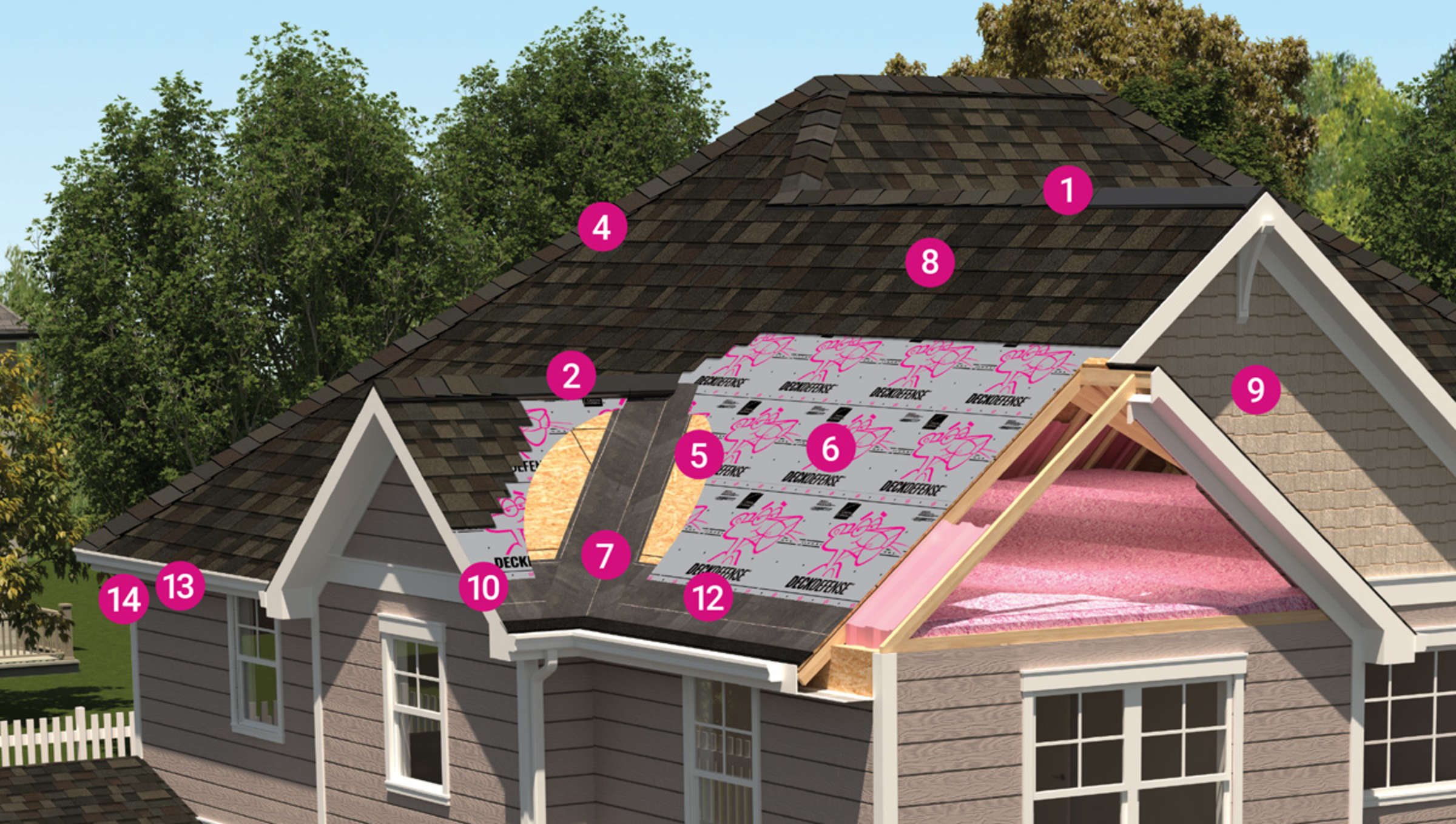
- Change the roof decking as needed, followed by underlayment.
- Repair or replace flashings around vents, chimneys, skylights, etc.
- Install shingles or tiles according to the instructions of the manufacturer.
- Seal gaps with caulk to help prevent moisture intrusion.
- Clean the area and dispose of debris.