Most homeowners overlook septic pumping until something goes wrong. Your septic tank quietly handles household wastewater every day without any visible issues. As a result, unpleasant odors, stubborn blockages, and costly damage in the tank can occur. You can avoid this with regular Septic Pumping in Santa Fe. But here’s the catch: the process can be confusing, specifically when you are not familiar with it. Considering that, we are sharing this informative blog. Read this and learn what to expect during septic pumping so you can stay organized and avoid unwanted stress.
Step 1: Arrival & Set Up
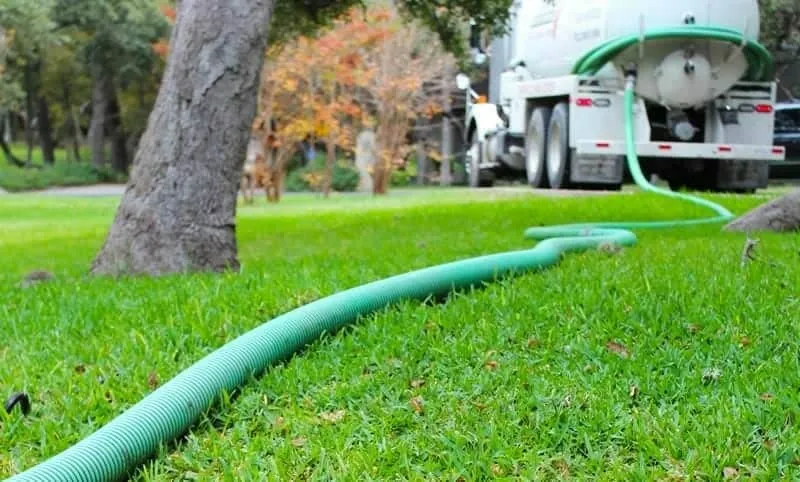
The team will show up at your address at the specified time and locate your tank. Too many tanks are buried underground, so it’s better to know your exact location in advance. If you don’t know where your septic tank is buried, technicians can find it with the use of property documents and detection equipment. After locating the tank, they will park the pump truck near it for hose access. They will prepare with safety gear, suction hoses, and other equipment, and set up the area around the tank for safe access and pumping.
Step 2: Opening the Tank
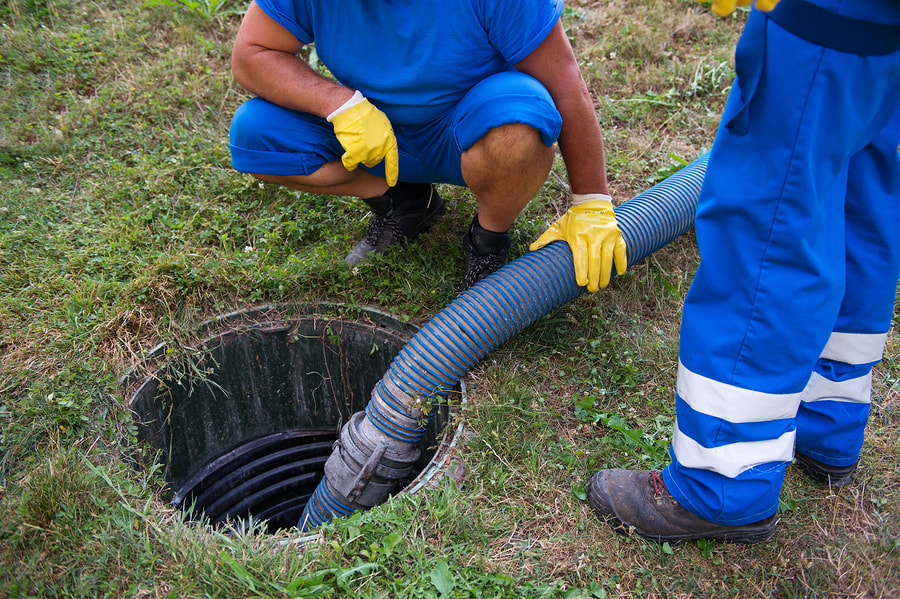
After setup, technicians will take off the lid from the septic tank to determine the waste level and assess whether the system is functioning correctly. They will look for signs of leaks or cracks, unusual scum, and sludge buildup inside the structure. Then, they will determine whether the inlet and outlet pipes are operating adequately.
Step 3: Pumping Out the Tank
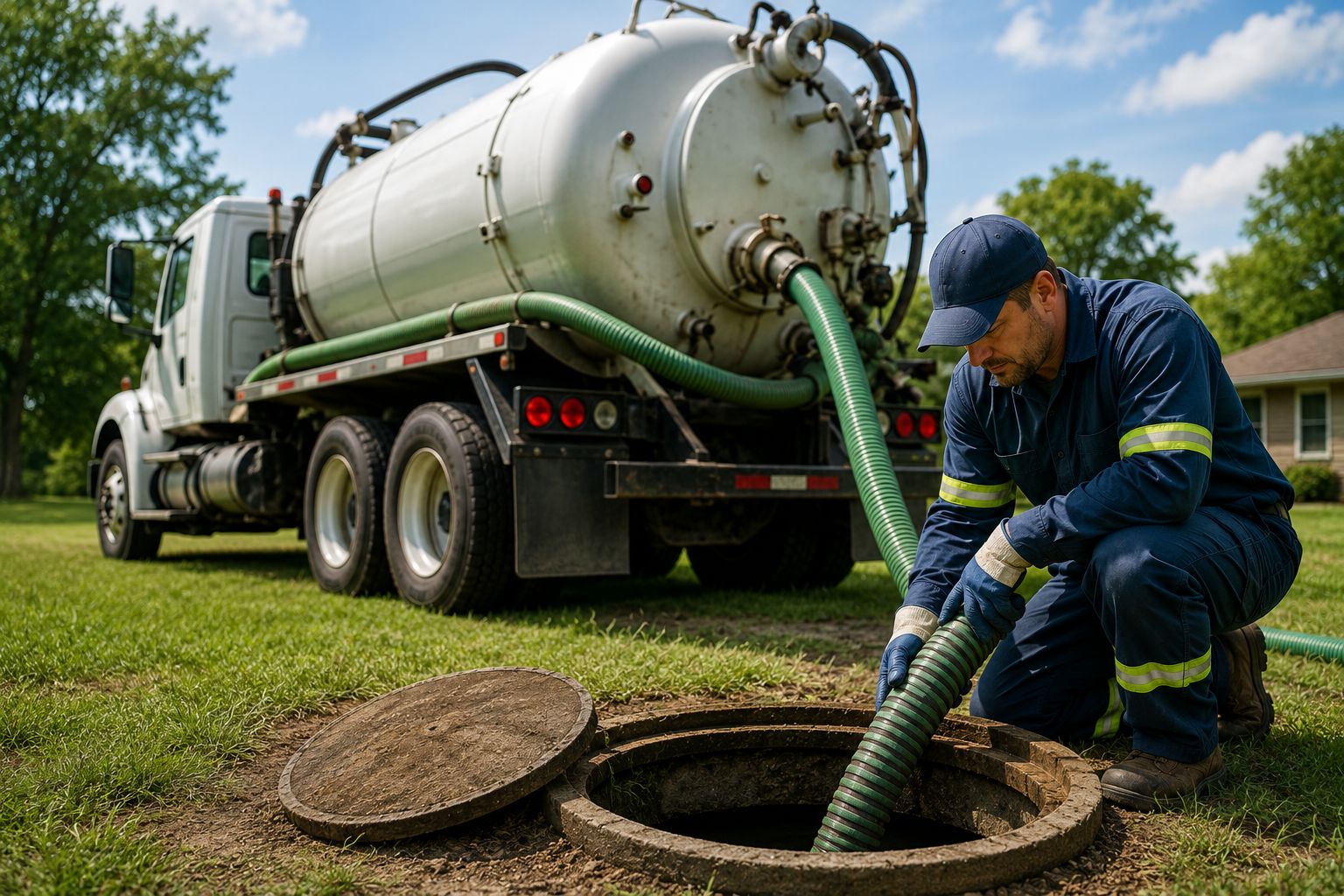
This is the core of the process: pumping out the stored waste. The team lowers a powerful suction hose into the tank and attaches it to their pump truck. Then they pump out the sludge, scum, and wastewater from the tank. Technicians may employ tools or water to break hardened waste. All the waste material is deposited into the truck’s holding tank to restore the tank to its proper working condition.
Step 4: Cleaning & Inspection
After the waste material is removed from the tank, technicians wash down the interior walls of the tank to dislodge any remaining residue. After washing the tank from the inside, technicians look for structural wear, cracks, and root intrusion in it. They also inspect the baffles to ensure adequate waste flow and confirm the tank is free of blockages.
Step 5: Sealing the Tank & Cleanup
After finishing pumping, they replace the lid and secure it. Technicians make certain everything is sealed correctly so the septic system can function without interruption. At last, the work site is cleaned, and equipment is packed away to ensure minimal disruption for homeowners near the tank.
Expert Septic Pumping Under Budget
Now you have a better understanding of what happens during septic pumping in Santa Fe. If you need septic pumping, let us help you. We are 505 Portable Restrooms, a reliable septic service provider. Serving homeowners for decades, we have earned a significant reputation in the industry. Contact us right away, and we will check your septic tank and clean it.