Energy-efficient windows have grown popular among homeowners looking to improve comfort and decrease energy bills. Windows are one of the most important components of a home, and many homeowners replace them after several years. If you’re planning a window replacement in Atlanta GA, you’ll notice that energy-efficient options are often recommended. But why are they so popular? In this guide, we’ll clarify what energy-efficient windows are, how they work, and why they can be a smart investment for your home.
What Makes a Window Energy-Efficient?
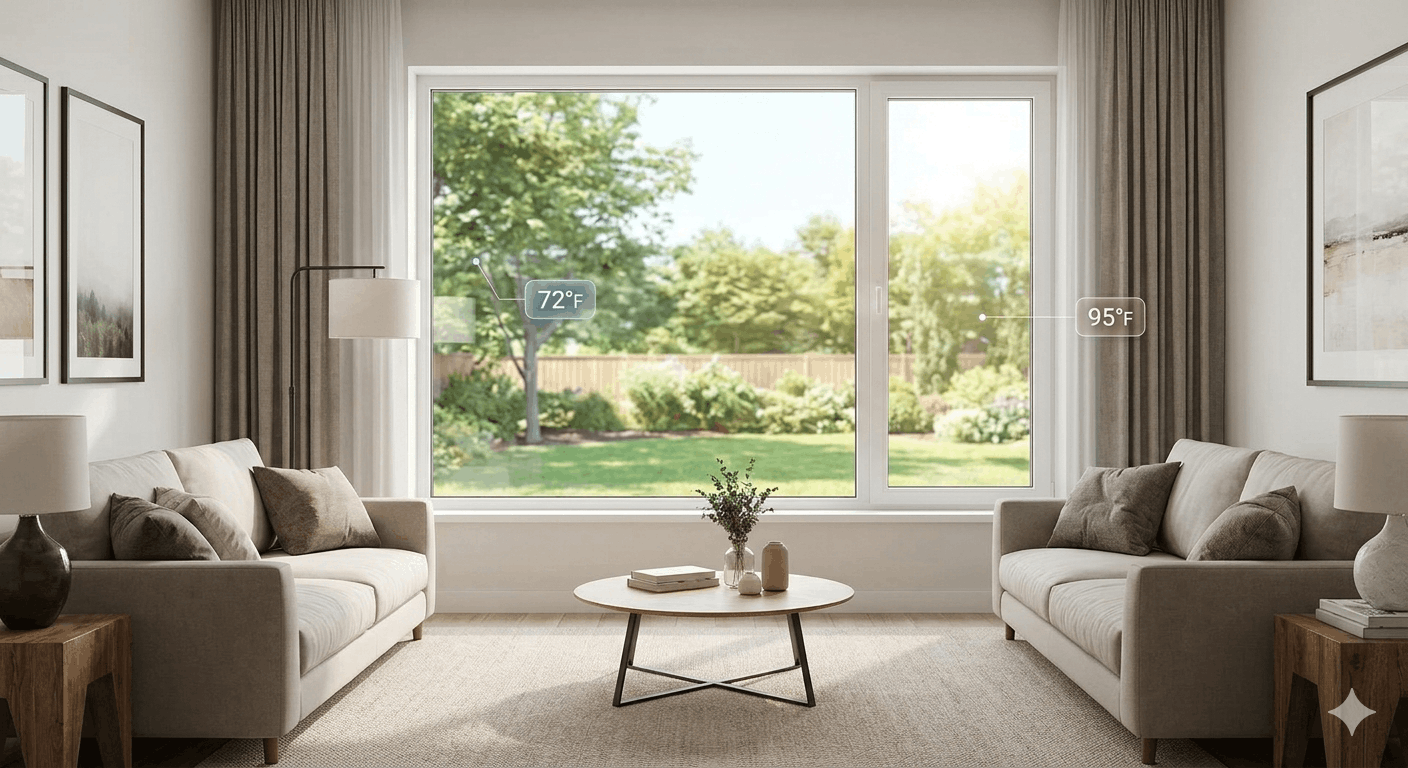
Energy-efficient windows minimize heat transfer, keeping your home warmer in winter and cooler in summer. Check the following points to find out what makes a window energy-efficient.
Multiple Panes of Glass
Energy-efficient units use two or three panes with sealed airspaces to significantly reduce heat transfer and energy loss.
Gas Fills
The space between panes is filled with inert gases, like argon or krypton, for superior insulation.
Low-Emissivity (Low-E) Coatings
These windows typically have low-e coatings that reflect UV (ultraviolet) rays to keep your indoor items like furniture and flooring from fading.
Frame Materials
Energy-efficient windows often use materials with low conductivity, like vinyl, wood, and fiberglass.
Spacers
They keep panes apart and sealed, preventing condensation and insulating the edges of the glass.
Energy-Saving Technologies
Let’s learn a little about energy-saving technologies used in modern windows.
Low-E Coatings
Low-E (low emissivity) coatings are microscopically thin metal or metallic oxide layers applied to glass surfaces to enhance energy efficiency. They function like a thermos, reflecting infrared heat and UV light while allowing visible light through, keeping interiors warm in winter and cool in summer.
Argon Gas
Argon gas is a non-toxic, dense, inert gas used to fill the space between double- or triple-panes. It significantly boosts both insulation and energy efficiency and reduces heat transfer, minimizes condensation, and provides better soundproofing than air-filled units.
Insulated Frames
Energy-efficient or insulated windows use insulated frames. These frames enhance energy efficiency by reducing heat transfer, condensation, and noise through low thermal conductivity materials, such as PVC, wood, or thermally broken aluminum.
How Energy-Efficient Windows Lower Bills
This section shares how energy-efficient units, like low-E windows, help lower bills.
Reduced HVAC Strain
Energy-efficient windows maintain a more stable indoor temperature, so your HVAC system doesn’t need to work as frequently or as hard.
Superior Insulation
Features like multiple glass panes create barriers that slow down heat transfer.
Low-E Coatings
Low-e coatings reflect infrared light, keeping heat inside during winter and blocking solar heat in summer.
Inert Gas Fills
Spaces between window panes are often filled with argon or krypton gas, which are denser than air and provide better thermal insulation.
Airtight Seals
High-quality weatherstripping and precision-engineered frames, such as vinyl or fiberglass, prevent drafts and air leakage.
Cost vs Savings Breakdown
Installing energy-efficient windows usually costs more than standard windows. However, they can lead to significant long-term savings by reducing heating and cooling expenses.
Upfront Cost
The cost of energy-efficient windows depends on the material, glass technology, and installation. On average, homeowners may spend $500 to $1,200 per window, including installation. At Vinyl Window Solutions, the pricing starts from $224.
Energy Bill Savings
Because these windows minimize heat transfer, they help maintain indoor temperatures more efficiently. Homeowners can save 10–25% on heating and cooling expenses, depending on the climate and window quality.
Long-Term Return on Investment
Although the initial cost may look excessive, the savings on energy bills can add up over time. Many homeowners recover their investment within 7–10 years through lower utility bills and increased home efficiency.
Increased Home Value
Energy-efficient windows can also elevate a home’s resale value. Buyers often prefer homes with energy-saving features because they reduce recurring maintenance and energy expenses.
Limited Lifetime Warranty
At Vinyl Window Solutions, all units come with limited lifetime warranties. So, you don’t have to worry about replacing your windows anytime soon.
Rebates, Tax Credits, Local Programs
In Atlanta, homeowners replacing windows can claim federal tax credits of 30% of the cost up to $600 annually through 2025 for ENERGY STAR windows. Key incentives include the following:
Federal Tax Credits
Homeowners can claim 30% of the project cost up to a maximum of $600 per year for windows. However, for that, you must have installed ENERGY STAR windows.
Georgia Home Energy Rebates
The Inflation Reduction Act provides over $200 million for Georgia homeowners to upgrade to energy-efficient units. The programs include Home Efficiency Rebates and Home Electrification and Appliance Rebates, designed to lower utility bills. You can visit the Georgia Home Energy Rebates portal to check your eligibility and find approved window installer companies.
Local Utility Incentives
You can get rebates for energy-efficient home improvements, including potential incentives for qualified window upgrades.
Window Installation Process
In the following points, we break down the window installation process for you.
Precise Measurement
Contractors carefully measure the width and height of the opening to ensure a snug fit.
Site Preparation
They remove blinds and curtains and clear a three- to five-foot workspace around the window to protect furniture from dust.
Opening Inspections
Then, installers check the window opening for levelness, squareness, and signs of damage, which are repaired before proceeding.
Removal
Only the window sashes and hardware are removed, or window sashes, frames, casing, and sills are also removed, depending on the installation method chosen.
Safety
Window installers score the edges with a utility knife to prevent plaster or siding damage during extraction.
Waterproofing
Flashing tape is applied to the sill, and a continuous bead of silicone sealant is run along the top and sides.
Plumb and Level
New windows are placed in the openings and adjusted using shims until they are leveled and square.
Securing
Screws are driven through pre-drilled holes in the frame and into the house structure.
Expanding Foam
Window installers inject low-expansion polyurethane foam into the gaps between windows and walls to eliminate air leaks.
Final Caulking
They apply high-grade exterior silicone around the outer perimeter to ensure a weather-tight seal.
Trim Installation
Installers reattach or install interior and exterior trim to cover gaps and provide a polished look.
Operational Test
They test the window’s movement to ensure smooth functionality.
Cleanup
The crew clears out all debris, old windows, and protective films.
Before/After Example
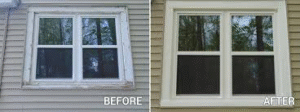
We Deliver Premium Window Replacement
We are Vinyl Window Solutions, a reputable and dependable window company serving homeowners with excellent window replacement and installation services. All of our windows come with a limited lifetime warranty, so you don’t have to worry about quality. We offer services at affordable prices. Contact us to book your consultation.