
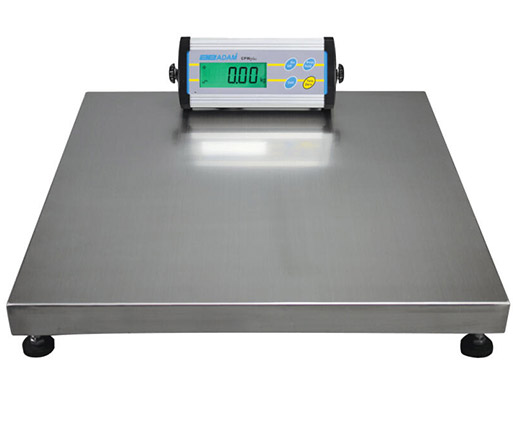
Accurate weighing is an absolute necessity in industrial and waehousing settings. When determining the weight of large or heavy objects or machinery, industrial floor scales are crucial weighing instruments that need pinpoint accuracy, or the business suffers losses. If your company frequently handles heavy loads or high-volume commodities, floor scales are essential because they provide the robust, precise, and user-friendly mechanism needed to handle any heavy-duty weighing needs. Avoiding certain mistakes when operating your Industrial Floor scales in Colorado can greatly enhance your workflow and lower expensive mistakes, regardless of whether you’re using it in a manufacturing facility, distribution center, or logistics hub.
An Introduction to Industrial Floor Scales
As the name suggests, industrial floor scales are large, heavy-duty weight equipment, mostly utilized in industrial environments. The term comes from the fact that these scales are designed to rest on the ground or floor. They have a platform on which you may place and weigh your items or objects. A floor scale is the ideal choice if you need to weigh items that weigh more than a ton. These scales are adaptable and practical because they can weigh as little as 0.005 kilograms and have a maximum capacity of several hundred kilos to more than ten tons.
Mistakes to Avoid When Using Industrial Floor Scales
Making the most of your floor scales requires avoiding making some common mistakes. Here’s what you should avoid doing while using your industrial floor scales.
Don’t Exceed Your Scale’s Load Capacity
Knowing your scale’s weight capacity is one of the most crucial floor scale usage tips. Inaccurate readings and internal component damage might result from overloading your scale. To preserve optimal performance and prolong the life of your scale, always check the rated load capacity and refrain from using objects or loads that exceed that limit.
Don’t Skip Regular Scale Maintenance
To make sure your floor scale continues to work, routine inspections and maintenance are crucial. Examining the cables, load cells, and connectors for wear or damage is part of proper floor scale maintenance. Scheduling regular scale maintenance for your industrial scales is highly recommended to avoid unplanned downtime and expensive repairs.
Don’t Overlook Scale Issues
Early floor scale troubleshooting can be done by identifying indicators such as imbalanced readings or drifting weight displays. These problems could be signs of worn parts or misalignment. For this reason, you should be aware of the early warning indications of scale problems and take action to prevent inaccurate readings, expensive repairs, or scale breakdown.
Don’t Overlook Cleanliness in Daily Operations
The accuracy of your weight readings can be hampered by dust, debris, and foreign objects beneath or near the scales. In order to adhere to industrial floor scale best practices, your scale’s platform must be cleaned on a regular basis, and the surrounding area must be kept clear. This enhances workplace safety while also improving floor scale accuracy.
Don’t DIY Scale Installation & Calibration
Relying on professional scale experts to help with Floor Scale Installation in Colorado and calibration is best to avoid incorrect installation and proper weighing. Improper installation and calibration might result in long-term floor scale calibration issues that will impact your business operations.
Make Smarter Choices for Better Scale Performance Start making smarter choices to keep your floor scale fully efficient and operational, and choose a trusted partner for all your weighing scale requirements. That’s why we recommend Scales Sales and Service as the one-stop shop for all your scale needs, from installation and calibration to service, maintenance, and repairs.