
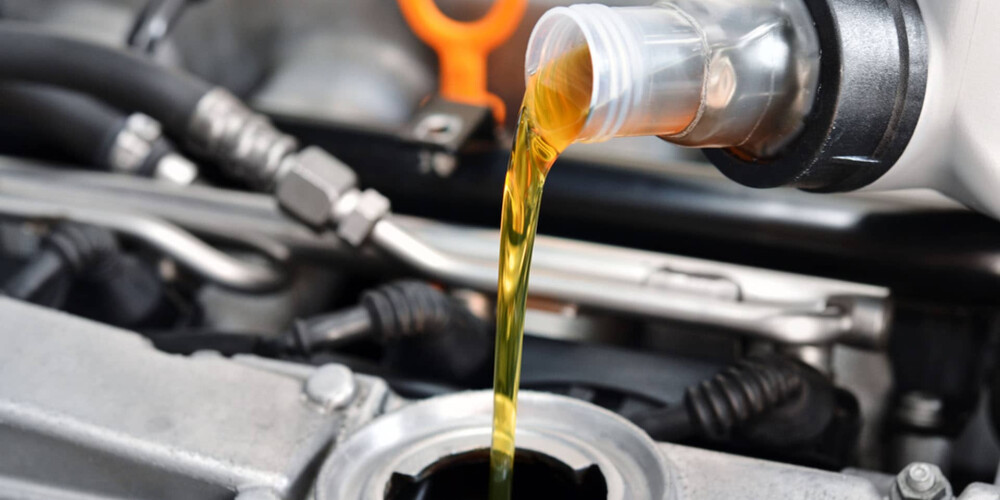
Today’s engines are highly engineered to blend power, efficiency, and robustness into compact units that need to operate reliably in various environments. However, the quality of the work of any engine can be traced back to a very basic element: engine oil. This component is often overlooked but is in fact the main support of engine operation, affecting all aspects such as fuel efficiency and the natural ageing of the engine. Proper engine oil selection does not pertain merely to regular maintenance tasks. It is, in fact, a technical choice which should be made on the basis of the understanding of various elements such as engine specifications, working conditions, as well as the changing aspects of the engine oil market. Due to an increasing number of different product types and standards, deciding on the right oil is not only more critical but also more challenging. As per the research conducted by Pristine Market Insights, the International Organisation of Motor Vehicles states that in 2024, a total of 92.5 million vehicles were produced. Rising production of vehicles directly impacts engine oil demand.
Functions of Engine Oil
Engine oil is a key player among engine fluids due to its capacity to carry out several functions at the same time. Fundamentally, engine oil acts as a lubricant so that moving metal surfaces are prevented from touching each other directly. As a result, friction is lowered, and this is good not only for minimising wear but also for prolonging the life of engine components.
Besides providing lubrication, engine oil is extremely important in managing engine temperatures. During running, engines produce a lot of heat, and although cooling systems take care of the majority of this extra heat, engine oil still plays a part by removing heat from important parts of the engine that are inside. Furthermore, it is a good cleaning agent as it removes dirt, debris and by-products of combustion, thus avoiding the build-up of sludge that would hinder the engine’s performance. One more function of engine oil, which is rarely considered, is sealing. It aids in sealing the engine by blocking the space between the pistons and cylinders. Predominantly, these features explain why it is important to pick the right type of oil if one wants to keep the engine running at its best.
The Dynamic Shift in the Engine Oil Market
The engine oil market has changed remarkably due to improvements in vehicle technology and tighter environmental restrictions. Vehicles nowadays have smaller, more powerful and fuel-efficient engines than older models. This leads to more stress on the lubrication system. Therefore, the making of engine oils has become highly technical.
These days, we can observe a clear move towards synthetic and semi-synthetic oils, which are largely motivated by their characteristics in terms of the capability of performance. Synthetic oils and semi-synthetic oils can maintain their properties even under very high temperatures, resist oxidation better, and allow longer service intervals. At the same time, the market has witnessed a rise in interest in environmentally friendly options, which include bio-based lubricants. The innovation in the formulation of engine oil is very much in line with the changes in the design of engines. With the development of new engine technologies, the engine oil market keeps evolving and presents products that are specifically designed to meet different performance requirements.
Types of Engine Oils and Their Applications
Engine oils are primarily categorised into three types as mineral, synthetic, and semi-synthetic. Each has its unique features suitable for different uses. Among them, mineral oils are the oldest form of engine lubrication that have been used and are derived directly from crude oil after the refining process. Though generally, they are of lower cost, under high temperature conditions, they also degrade faster and are therefore less desirable for modern, high-performance engines.
While synthetic oils, which are designed at the molecular level, deliver uniform performance even under extreme conditions. They are excellent lubricants, withstand changes in temperature, and last a long time without degradation. A semi-synthetic oil is a mixture of mineral oil and synthetic oil, and it shares characteristics of both mineral and synthetic oils. Besides being more efficient than mineral oils, they are not as expensive as fully synthetic ones. This feature has led their sales to be high in the motor oil market, especially among customers looking for both good quality and value. Meanwhile, new categories, such as bio-based oils, are also attracting interest. These oils from renewable resources are designed to have less negative effect on the environment while still meeting performance requirements. Though they are quite new, they show the general tendency towards more sustainable products in the engine oil market.
The Importance of Viscosity in Oil Selection
Viscosity is probably the main characteristic of engine oil that anyone should pay attention to. That is simply how much the oil is ‘thick’ and how that thickness will change with temperature. Usually, the oils are marked for the temperatures at which the oil should work, such as 5W-30 or 10W-40. The first figure shows the viscosity at 0 °C, which is important for the engine’s cold start. The next number shows the viscosity of the oil at 100 °C or the oil’s capability to continue protecting the surface under high temperature and pressure conditions. This is the case in the entire oil market as manufacturers are coming up with ways to reduce friction in engines without sacrificing durability.
Additives and Their Role in Performance Improvement
Besides the base oil itself, modern engine oils also contain several additives that help the oil perform in various ways. The main function of these additives is to keep the engine clean, minimise wear, and make the engine more productive. For example, detergents and dispersant cleaners help in clearing the engine parts by stopping deposits and sludge from forming. Anti-wear agents not only lower the friction on surfaces but also help in lengthening the life of the components by forming protective layers on metal surfaces. Besides this, viscosity modifiers help the oil to perform well even when temperature changes. The formulation of superior additive formulations is driving innovations in the engine oil market.
Environmental and Sustainability Considerations
Environmental concerns are steering the engine oil market more, not only affecting product research and development but also changing consumer behaviour. Used engine oils are a major source of pollution if not handled properly, hence recycling and environmentally safe disposal procedures are being given more importance. Besides that, producers go on developing environmentally-friendly solutions like bio-based oils or other types of products that assist in lowering the vehicle’s emission level. Such technological advancements are just a part of the widespread ecological attitude in the industry, which points out that high performance and environmental friendliness should be mutually supporting features.
Avoiding Common Mistakes in Oil Selection
Although a great amount of data is accessible, numerous car owners still make errors when picking the right engine oil. One quite common mistake is prioritising the cost of the oil, totally disregarding the factor of quality or compatibility with the engine. Also, many times vehicle owners take the risk of ignoring the importance of viscosity ratings or even mixing totally different types of oil, therefore impairing the oil efficiency.
Conclusion
Engine oil basically powers the engine. Considering the thickness, chemicals, and standards of engine oil will really spare the motor from harm and help it keep up with the performance that is desired. As power units and technologies progress, lubricants will also be enhanced, becoming stronger, more effective, and environmentally friendly. Today, dedicating just a little time towards choosing the right oil will definitely be the determining factor of your vehicle’s longer and healthier lifespan.
Author Bio:
Sandhya Jadhav is a research analyst with a keen focus on food industry trends and market dynamics. She specializes in analyzing consumer behavior, emerging products, and growth opportunities in the ready-to-eat and packaged foods sector, providing actionable insights for businesses navigating the evolving market landscape.